


Hello, and welcome back to The Kable in our build-up to the Ides of March.
2020 was supposed to be the worst year of our lives this century, wasn’t it? Where is all this war and destruction coming from? Sorry, rhetorical question. We know it is coming from the same settler-colonialist forces it has been coming all this while.
And if that wasn’t enough, the great land of the USA is determined to bring back a measles pandemic. In a country where the disease was eradicated in 2000, this year there have been more than 1,100 cases, and the graph is still going up. Not surprising that The Lancet chose to describe the first year of the US’ health tsar as a year of unrelenting failure.
In the Democratic Republic of Congo (DRC), barely a month after a previous mine collapse that took over 200 lives, a landslide at the same coltan mine killed 200 more people, including over 70 children. Hey, at least our computers are working, and we have new smartphones and we can fly places. What’s a few hundred Congolese lives?
In an otherwise bleak week, a couple of pieces of good news from Sudan. The country has finally, after nearly two years, declared its cholera outbreak over. Since we said this is good news, we won’t talk about the rise of other diseases. Sudan also saw the first vaccine shipment in three years reaching South Kordofan state. The shipment includes 11 key routine vaccines, allowing immunisations to resume after an involuntary pause since July 2023.
The Africa CDC signed yet another partnership on its way to health independence for the continent, this time with the Japan Institute for Health Security (JIHS). The new collaboration will see the agencies work together on spotting outbreaks quickly, strengthening research capabilities, and coordinating responses to health crises.
Ghana and Senegal join Uganda in regressing on LGBTQ relations. Unlike Uganda though, neither Ghana nor Senegal have, yet, prescribed death.
Health Policy Watch also reports that the US has ramped up its signing of bilateral health deals, expanding even more into Latin America.
The WHO had a, well, shall we say busy-making week? They called for a global shift to “environmentally friendly, less invasive and affordable oral health care”. They didn’t say water makes things wet but that is something we have to discover on our own. The WHO also issued new recommendations for TB testing, backing pooled testing to expand screening without ballooning costs.
Elsewhere, Spain told the WHO they may have a case of human transmission of swine flu.
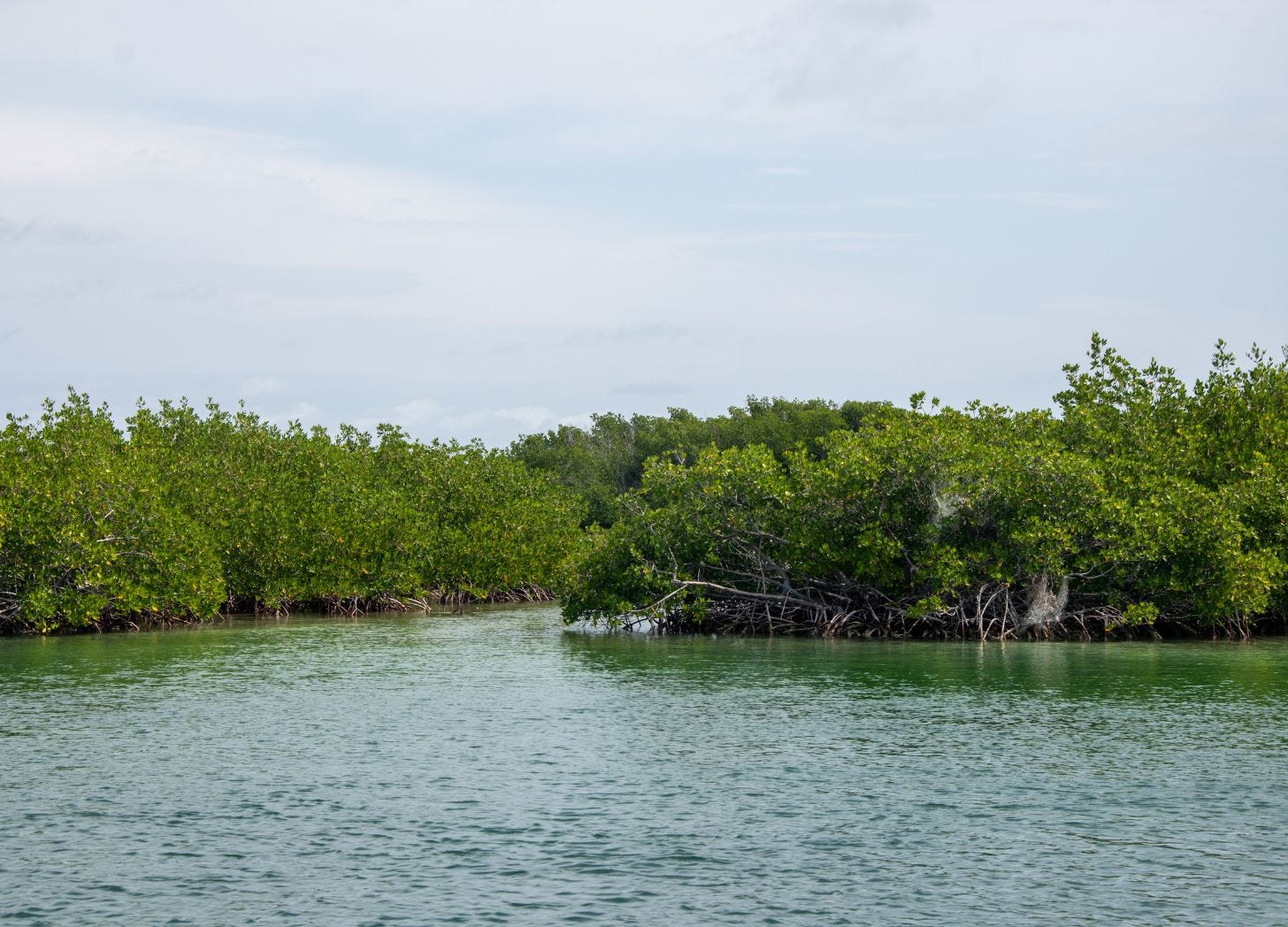
And finally, India is looking at a hotter-than-usual summer, with more heatwaves expected. Well, they’re cutting down mountains for mines, mangroves for roads, deflecting questions on pollution... a hot summer will probably result in a new homegrown temperature measure.
Stories Of The Week
Bitter medicine. Better medicine. We only have one story in this section this week but what a story it is because it is not often that we see a medicinal breakthrough for a disease that is pretty much endemic only to parts of Africa. This week, well, late last week, was one such rare occasion, when a breakthrough tolerable, oral, single dose treatment for Trypanosoma brucei gambiense (T.b. gambiense), the most common form of sleeping sickness, was released by the Drugs for Neglected Diseases initiative (DNDi). Developed with Sanofi, the drug has been approved as a single-dose, three-tablet treatment for sleeping sickness by the European Medicines Agency, based on a study that showed 96% success in both early and advanced stages of T.b. gambiense. For the countries in sub-Saharan Africa where sleeping sickness is still endemic, especially the high-burden countries like DRC, Angola, Sudan, South Sudan, Central African Republic, Guinea, and Chad, this is brilliant news. Especially when you consider that one of the treatments for the disease, from the 1940s till now, was an arsenic-based compound.
(DNDi)
Bottom line
Woe is my heart. Pollution, noise, chemical compounds, and climate stress all cause as much damage to cardiovascular health as cholesterol, hypertension, and tobacco use. In fact, environmental factors contribute to more than 13 million cardiovascular deaths annually. But we all know governments won’t, and corporations and lobbies won’t let them, do anything about pollution or noise or chemicals or the climate. Death is the only option then.
(The Conversation)
Long reads
One big, happy family. For a long time growing up, this editor felt quite lonely. But now that the world is in an obesity epidemic, one feels like part of a community. The solidarity is amazing. Anyway, here is The Conversation with five reads on the obesity situation in Africa.
(The Conversation)
Oh, and Gopal Nair doesn’t want you to see this.